
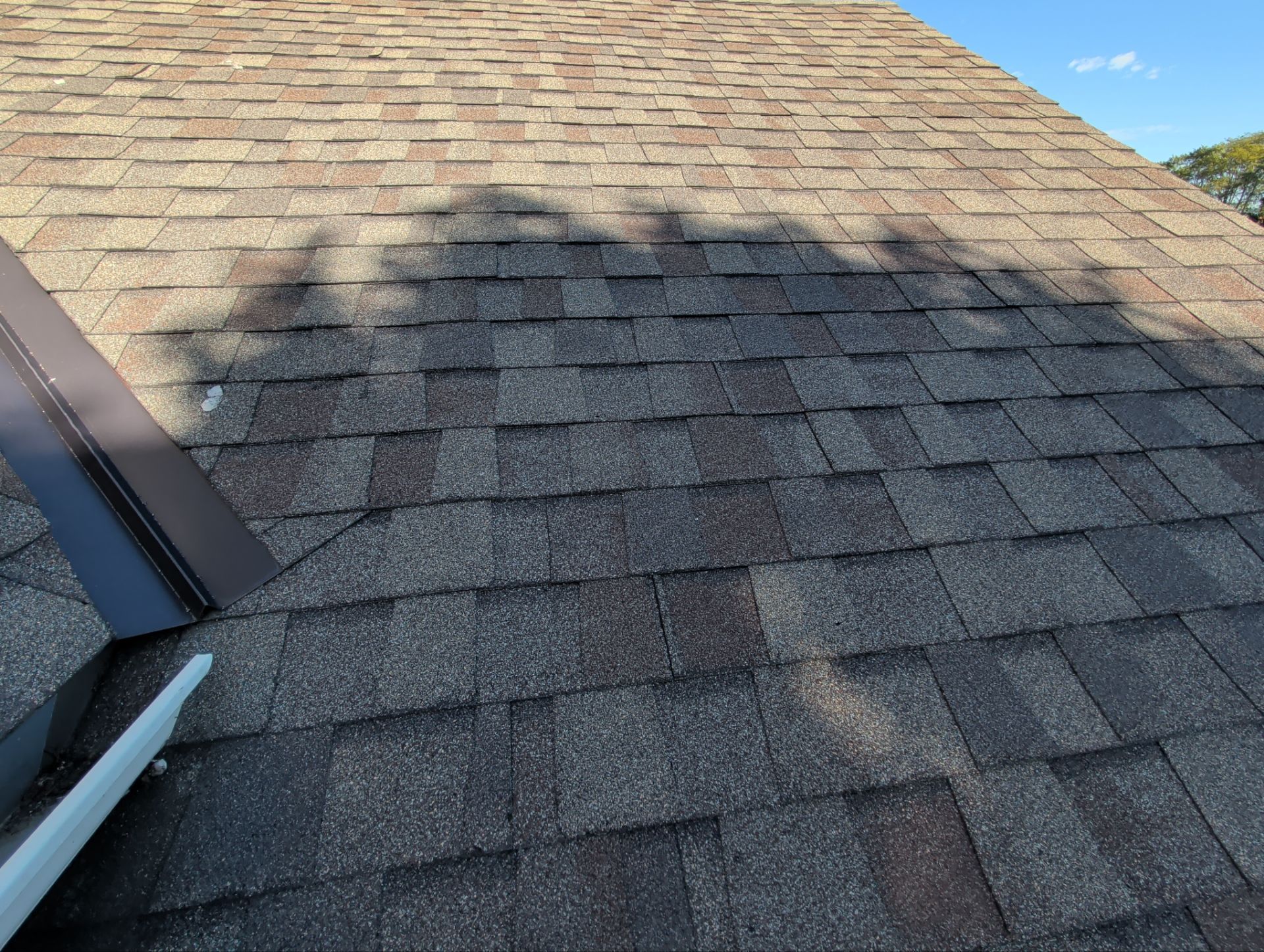
As temperatures begin to drop, preparing your home for winter should be a top priority. While homeowners often focus on heating systems, insulation, and outdoor plumbing, the roof is one of the most important areas to inspect before colder weather arrives.
Fall leaves, heavy rain, freezing temperatures, and winter storms can expose existing roofing problems. Damaged shingles, clogged gutters, and deteriorating flashing may allow moisture to enter your home, potentially leading to expensive repairs.
Fortunately, a little preventive maintenance can make a difference. Here are seven essential roof maintenance tasks homeowners should complete this fall to help protect their homes throughout winter.
Why Fall Roof Maintenance Matters Before Winter
Fall roof maintenance helps homeowners identify damaged shingles, clogged gutters, deteriorating flashing, and other roofing problems before winter weather makes them worse. Addressing these issues early can reduce the risk of leaks, moisture damage, and unexpected roofing repairs.
What Happens If You Skip Roof Maintenance Before Winter?
Neglecting roof maintenance can contribute to:
- Water entering through damaged shingles or flashing
- Clogged gutters overflowing during precipitation
- Moisture damaging roof decking or attic insulation
- Existing leaks worsening during winter storms
- Minor roofing problems becoming more expensive to repair
Although maintenance cannot prevent every roofing problem, it helps identify vulnerabilities before severe weather arrives.
1. Inspect Your Roof for Missing or Damaged Shingles
Shingles protect your roof from rain, wind, and other weather conditions. When they become damaged or displaced, the underlying roofing materials may be exposed to moisture.
Fall is an ideal time to check for visible shingle problems before winter precipitation begins.
What Are the Signs of Roof Shingle Damage?
Look for:
- Missing or displaced shingles
- Cracked or curled shingles
- Loose roofing materials
- Exposed areas beneath shingles
- Excessive granule loss on asphalt shingles
You may notice damaged areas while looking at your roof from the ground or examining areas visible from an upstairs window.
Avoid climbing onto your roof to inspect or repair shingles yourself. Roofing surfaces can be slippery, steep, and dangerous.
If you notice damage, schedule a professional roof inspection to determine whether repairs are necessary.
2. Clean Your Gutters and Downspouts
Falling leaves, twigs, and other debris can quickly accumulate in gutters during autumn.
When gutters become clogged, rainwater and melting snow may not drain properly.
Can Clogged Gutters Cause Roof Leaks in Winter?
Yes. Blocked gutters can contribute to water overflow and moisture problems around roof edges, fascia boards, and siding.
During freezing weather, trapped water may turn into ice, creating additional drainage problems.
To prepare your gutters for winter:
- Remove accumulated leaves and debris.
- Check downspouts for blockages.
- Confirm water drains away from the home.
- Look for loose or damaged gutter sections.
- Address areas where water frequently overflows.
If your gutters are difficult to access, consider professional cleaning rather than working from an unsafe ladder position.
3. Check Roof Flashing Around Chimneys, Vents, and Skylights
Roof flashing helps prevent water from entering vulnerable areas where roofing materials meet chimneys, vents, skylights, and other structures.
Over time, flashing can loosen, corrode, or develop gaps that allow moisture intrusion.
How Do You Know If Roof Flashing Is Damaged?
Common warning signs include:
- Rust or corrosion
- Loose or displaced flashing
- Cracked or deteriorating sealant
- Visible gaps around roof penetrations
- Water stains near chimneys or skylights
Flashing problems may not be obvious from the ground.
A professional roofing contractor can inspect these areas and recommend repairs before winter precipitation increases the risk of leaks.
4. Look for Signs of Roof Leaks Inside Your Home
Not every roofing problem is visible from outside.
Sometimes, the first warning signs appear on ceilings, walls, or inside the attic.
What Are the Early Warning Signs of a Roof Leak?
Watch for:
- Brown or yellow ceiling stains
- Damp attic insulation
- Water marks on rafters or roof decking
- Peeling or bubbling paint
- Musty odors
- Visible mold-like growth
These symptoms may indicate moisture entering through damaged roofing materials.
However, some attic moisture problems result from condensation, plumbing leaks, or inadequate ventilation rather than roof damage.
Professional evaluation can help identify the source and determine the appropriate repairs.
Addressing moisture problems early may help prevent additional damage to insulation, ceilings, and structural materials.
5. Trim Overhanging Tree Branches
Trees can enhance your property’s appearance, but branches hanging over your roof may create problems during winter storms.
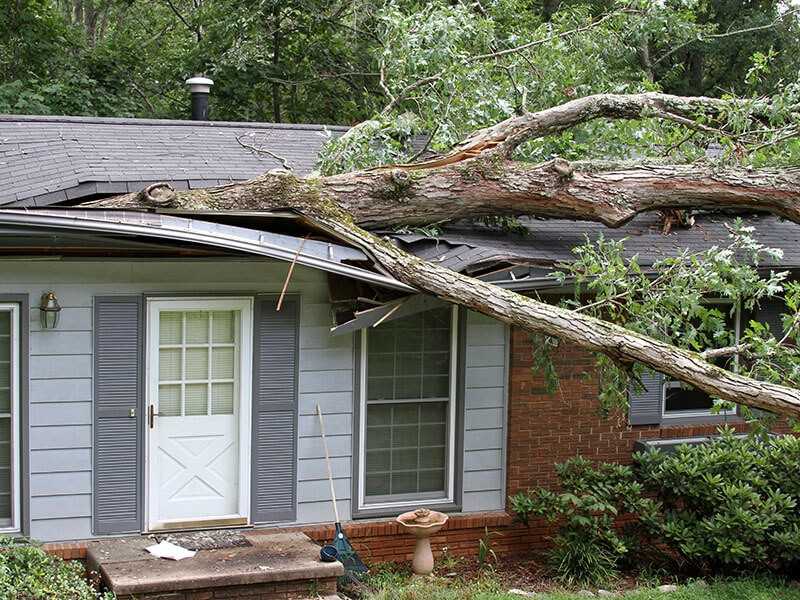
Strong winds, ice accumulation, and falling limbs can damage roofing materials.
Can Tree Branches Damage Your Roof During Winter?
Overhanging branches can:
- Scrape against shingles
- Dislodge roofing materials
- Drop leaves and debris into gutters
- Break during storms
- Damage roof edges or flashing
Fall is a good time to evaluate trees near your home and identify potentially hazardous branches.
For large limbs, elevated work, or branches near electrical lines, hire a qualified tree professional.
Avoid attempting dangerous tree trimming yourself.
6. Check Attic Insulation and Ventilation
Your attic plays an important role in your roof’s overall performance.
Proper insulation, air sealing, and ventilation help manage heat transfer and moisture throughout the year.
Why Is Attic Ventilation Important in Winter?
Poor attic conditions can contribute to several problems:
- Excess moisture accumulation
- Condensation on roof decking
- Damp insulation
- Uneven roof temperatures
- Increased potential for ice dams in snowy conditions
Ice dams can develop when snow melts on warmer sections of a roof and refreezes near colder edges.
Proper insulation and air sealing help reduce unwanted heat transfer, while appropriately designed ventilation helps manage attic conditions.
If you notice damp insulation, persistent condensation, or other moisture concerns, schedule a professional evaluation.
7. Schedule a Professional Roof Inspection Before Winter
Some roofing problems are difficult to identify without professional experience.
A roof may appear fine from the ground while hidden damage develops around flashing, roof penetrations, or aging materials.
What Does a Professional Fall Roof Inspection Include?
Depending on the roofing system, an inspection may evaluate:
- Shingle condition
- Flashing around vulnerable areas
- Roof penetrations
- Visible moisture damage
- Gutter and drainage conditions
- Roof edges
- Overall roofing condition
A professional inspection can identify areas that need attention before winter weather arrives.
If repairs are necessary, addressing them during fall may help prevent additional damage during colder months.
Should You Repair or Replace Your Roof Before Winter?
Not every roofing problem requires a complete replacement.
The best solution depends on the extent of damage, the condition of existing materials, and the roof’s overall performance.
When Is Roof Repair the Better Option?
Repairs may be appropriate for isolated shingle damage, localized leaks, or minor flashing problems when the remaining roof is in good condition.
When Should You Consider Roof Replacement?
Replacement may be worth considering when your roof has widespread deterioration, recurring leaks, significant storm damage, or extensive underlying damage.
A professional roofing contractor can evaluate your roof and recommend the most appropriate solution.
Fall Roof Maintenance Checklist for Homeowners
Before winter arrives, complete these important maintenance tasks:
- Look for missing or damaged shingles from the ground.
- Clean gutters and downspouts.
- Check for visible flashing problems.
- Inspect ceilings and accessible attic areas for moisture.
- Address hazardous overhanging branches.
- Review attic insulation and ventilation.
- Look for debris collecting on the roof.
- Schedule necessary roofing repairs.
- Arrange a professional roof inspection.
Prepare Your Roof for Winter With Madewell Roofing & Exteriors
Your roof protects your home from the elements throughout every season. Taking time to address maintenance concerns during fall can help reduce the risk of leaks, moisture damage, and unexpected problems during winter.
From damaged shingles and clogged gutters to deteriorating flashing and hidden moisture issues, identifying potential problems early is an important part of responsible home maintenance.
Madewell Roofing & Exteriors helps homeowners address roofing concerns through professional roof inspections, repairs, and exterior services.
Whether you’ve noticed signs of roof damage or simply want reassurance before winter weather arrives, a professional evaluation can help you understand your roof’s condition.
Contact Madewell Roofing & Exteriors today to schedule a roof inspection or discuss necessary repairs before winter.

0 Comments